Improving the quality of interactions will be critical to enhancing children's learning opportunities in the aftermath of the pandemic.

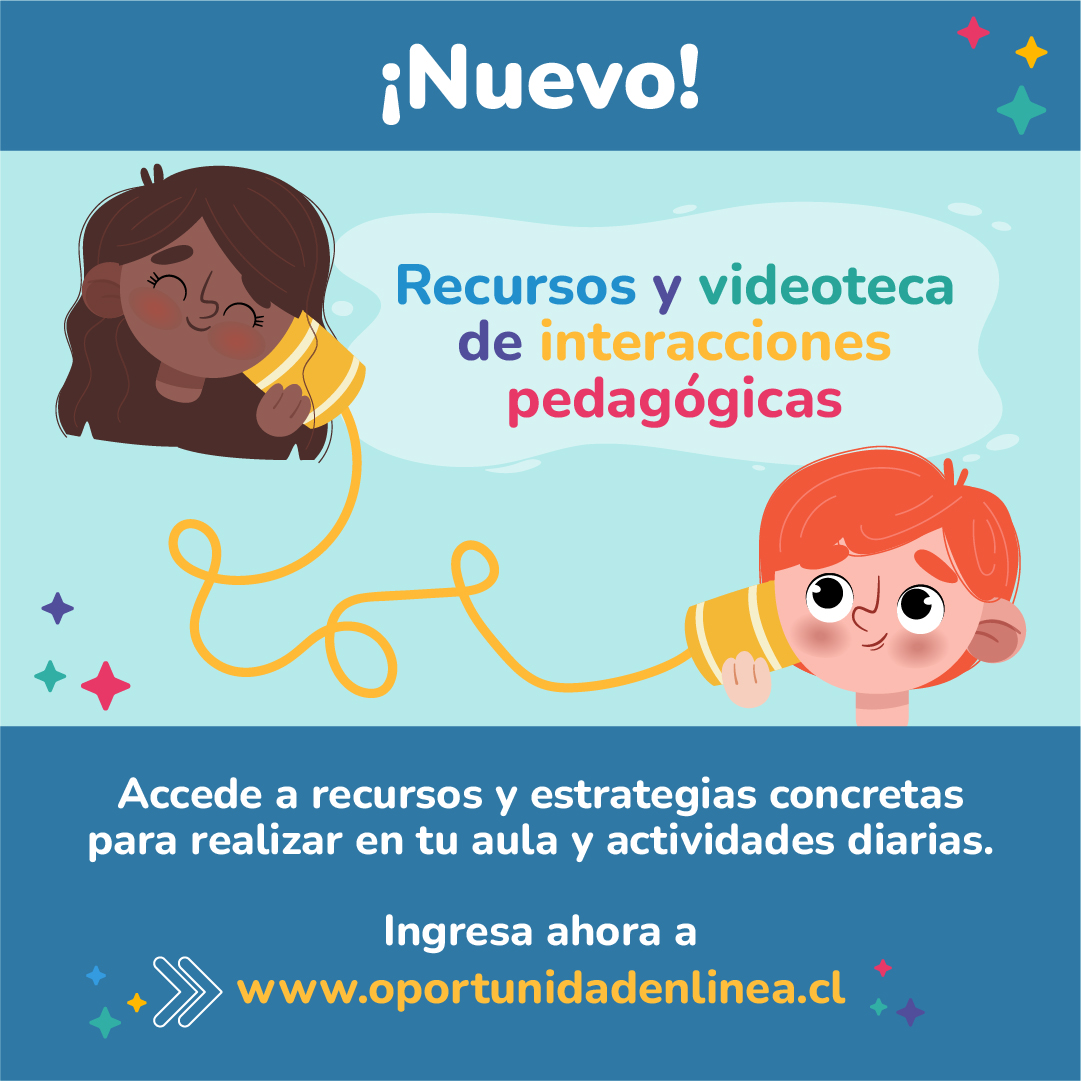
Along with increasing class attendance, one of the great challenges of the second semester is to improve the quality of interactions that occur in the classroom, both with educational teams and among themselves. To contribute to this challenge, Fundación Educacional Oportunidad, in collaboration with the Laboratory of Innovation in Education UC, has provided a video library and free resources.
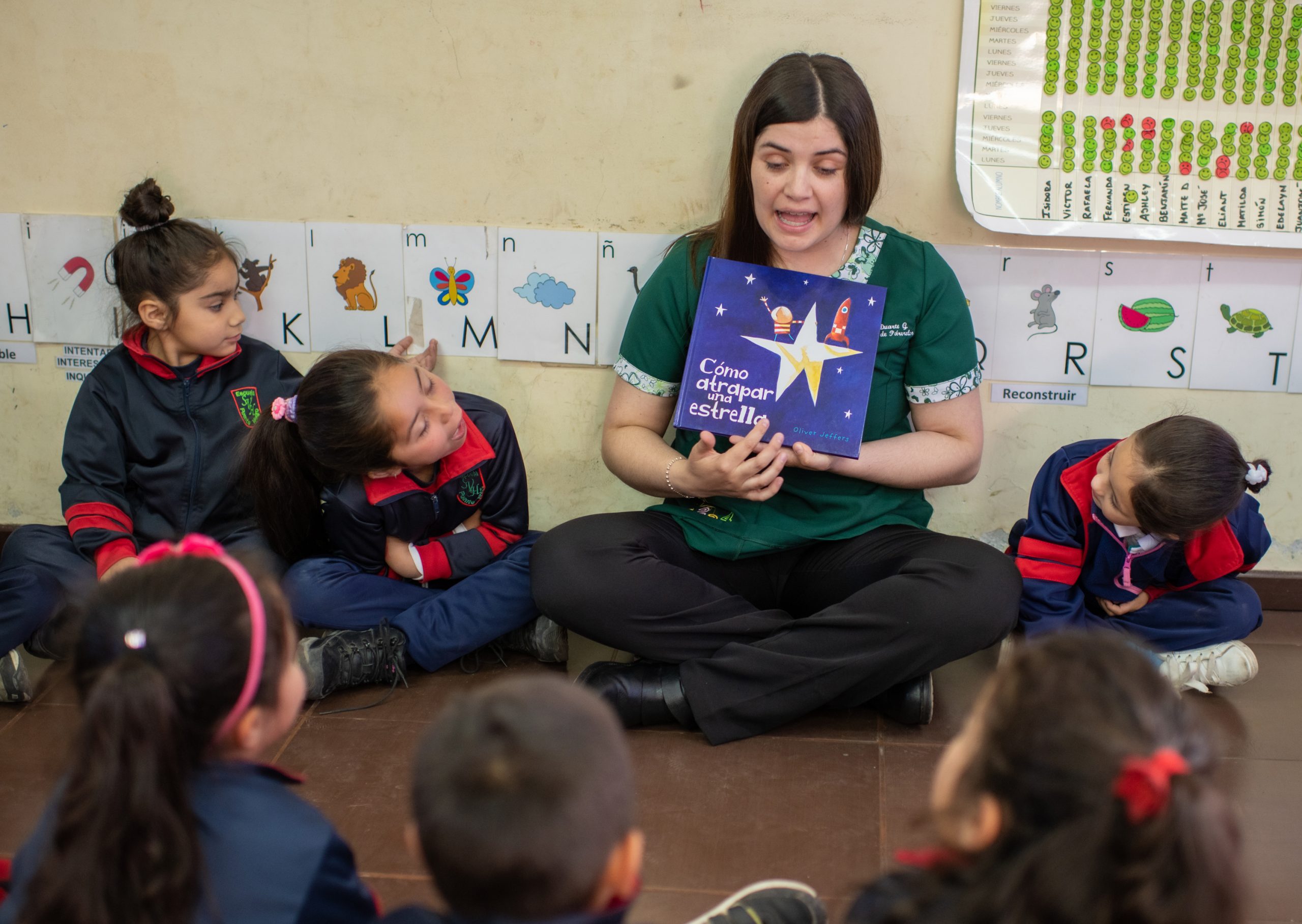
Ask appropriate questions encouraging the participation of the whole class, use verbal reinforcement and physical gestures to foster a positive climate, establish clear behavioral expectations. These are some of the concrete actions that kindergarten education teams should take on a daily basis to generate quality learning opportunities for girls and boys.

But what happens when these actions are not carried out or are only done sporadically? The psychologist of Fundación Educacional Oportunidad, María Virginia López, explains that "to provide quality education we must focus on what we teach and how we teach it. It is very important that educational teams offer children opportunities for effective interaction, since, according to the evidence, their learning depends largely on the quality of the dialogic exchanges they have with adults and their peers at school".

If the main challenge of the second semester is to boost class attendance, its fundamental complement is to increase the learning opportunities for boys and girls. María Virginia López adds that "improving the way in which all exchanges take place in the classroom can have a significant impact on children's learning achievements".

To contribute to this challenge, Fundación Educacional Oportunidad, in collaboration with the UC Laboratory for Innovation in Education, createda space on the platform www.oportunidadenlinea.cl, resources and video library of pedagogical interactions to support all educational teams to generate more effective interactions in the classroom.

"We hope that this space will contribute to the roadmap for kindergarten education set out by the Undersecretariat, which is committed to strengthening the professional competencies of management and educational teams at this level to continue promoting learning in Chile's children," said María Virginia López.
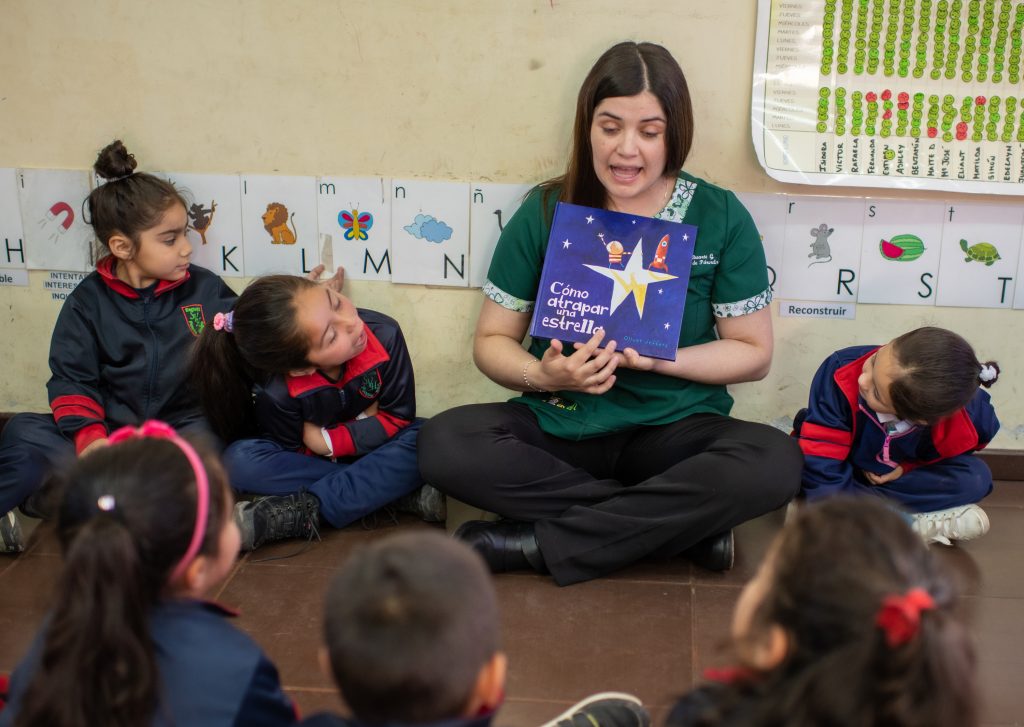
Study by the U. of Chile highlights collaboration and learning of kindergarten education network in the O'Higgins Region

The Center for Advanced Research in Education (CIAE) of the university analyzed the case of the Improvement Network Un Buen Comienzo, a space for exchange and articulation between schools and municipalities that work to enhance the learning of children in the region.

A recent study by the Center for Advanced Research in Education (CIAE) of the University of Chile highlighted the benefits of the Un Buen Comienzo Improvement Network (UBC) for the teams, schools and municipalities that participate in it, a network created in the O'Higgins Region to strengthen the learning of children in kindergarten education.

The CIAE explained that the UBC Improvement Network develops and strengthens the professional capital of the management and educational teams that participate in it. In this sense, it highlights that there is a broad agreement in all the communes that are part of it on the relevance of the Network to strengthen their professional capacities, especially in the context of pandemic.

In addition, in the systematization of the work of this network, led by Fundación Educacional Oportunidad, it is stated that the management and educational teams perceive that the network has had an effect in reducing student dropout, increasing attendance, improving language skills and increasing the vocabulary and reading comprehension of boys and girls.

The CIAE researcher and one of the authors of the study, Juan Pablo Valenzuela, also highlighted the use of the continuous improvement methodology that guides the work of the UBC Improvement Network, since it "promotes the acceleration of school improvement through collaborative work based on a systematic evaluation of leadership practices and pedagogical practices, with a focus on innovation and the use of data for decision-making".

Perla Chávez, head of the program and of the UBC Improvement Network, commented that "this study allows us to recognize the systematic work of the communities and to project, in the light of its results, new challenges to continue developing teaching and management practices, thus sustaining the improvement of children's learning".

"The study allowed us, from an external observation, to evaluate from the participants' own voices the functioning of the UBC Improvement Network from 2018 to 2020, being able to corroborate the benefits that this Network brings to its participants, both in collaborative work and in the improvement of leadership and pedagogical practices," said the head of the Continuous Improvement and Evaluation Area of Fundación Educacional Oportunidad, Pablo Muñoz.

ABOUT THE UBC NETWORK

The purpose of the UBC Improvement Network is to enhance the continuous development of teaching and management skills, in order to sustain school improvement and effectiveness and thus have an impact on the learning of children in kindergarten education. It was formed in 2018 with the intention of sustaining and supporting the strategies installed in the schools of the O'Higgins Region that had previously participated in the program Un Buen Comienzo of Fundación Educacional Oportunidad.

The communes of the O'Higgins Region that are part of this collaborative work network are: Mostazal, Machalí, Doñihue, Rengo, Coltauco, Malloa, Pichidegua, San Vicente de Tagua Tagua, Paredones, plus the 4 communes that are part of the Local Public Education Service of Colchagua: Chimbarongo, San Fernando, Nancagua and Placilla, to which the commune of Renca in the Metropolitan Region is also added.