English teachers and English-speaking professionals, together with principals and heads of the Technical Pedagogical Unit of 14 educational establishments in Vicuña and Paihuano that make up the We Learn Improvement Network of Fundación Educacional Oportunidad participated in the second Learning Session of the year.
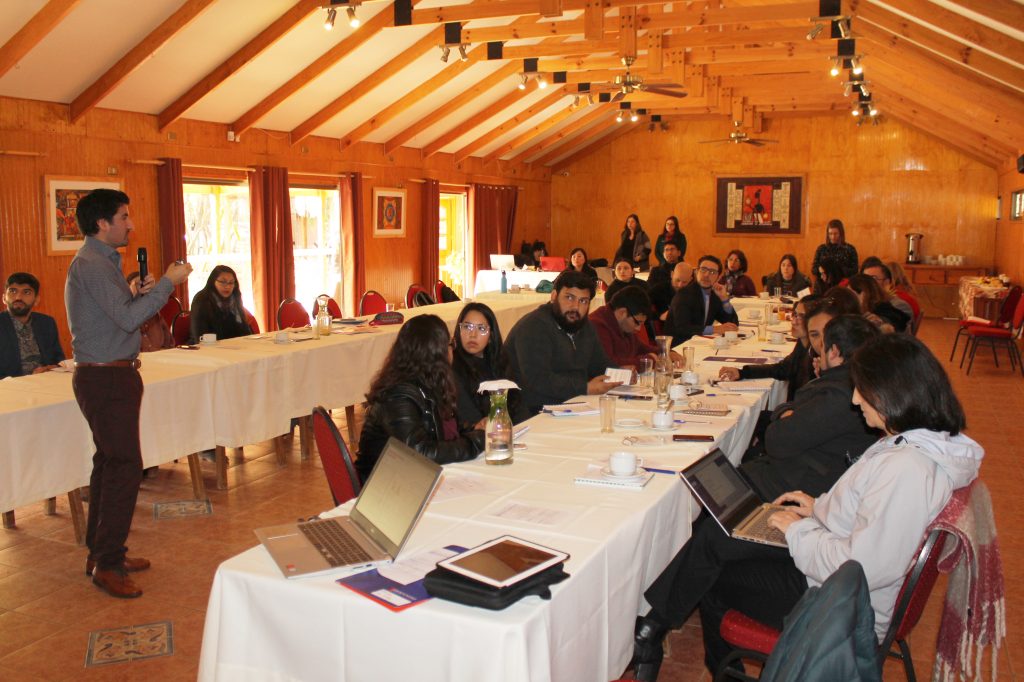
For the past three years, 14 schools from the neighboring communes of Vicuña and Paihuano, in the Elqui Valley, have formed the We Learn Improvement Network, with the objective of working collaboratively to improve the English language learning of the children of the Elqui Valley. On Tuesday, July 9, they met for the second Learning Session of the year to monitor the strategies and results of the first semester.
The initiative, led by Fundación Educacional Oportunidad, allowed teachers and principals to share during the morning the initiatives and good practices they developed during the first semester to promote English in their schools. They also analyzed the indicators and goals established to know the state of progress in the first half of the year.
During the afternoon, the school teams, supported by the Foundation's We Learn and Continuous Improvement teams, adjusted their plans for the second semester, incorporating the successful experiences presented by their peers during the session.
The head of the We Learn program, Paz Collao, valued the importance of the collaborative work that has been developed and explained that "we have been working for three years with this improvement network and we have been constantly evaluating the generations of students in the schools that make it up and we see that they are having excellent results". He added that "we hope that the children who started in first grade and are now in third grade will project this learning throughout their school career and that when they are teenagers they will be able to communicate in English easily and without problems with people from other countries".
In addition, teachers will present to their peers experiences that have allowed them to teach English to hearing impaired children, improve their students' pronunciation, use social networks to share teaching strategies, among others.
For his part, the director of Continuous Improvement of Fundación Educacional Oportunidad, Eduardo Jeria, highlighted the importance of holding this meeting, which will allow reorienting the processes that have not had a positive impact in the first half of the year.
"The Continuous Improvement methodology we use involves short testing cycles, so we don't have to wait a full year to know if we've had good results," he said, adding that "schools are constantly collecting data and indicators that are taking the temperature on how these strategies are working."
After the Second Learning Session, Pía Irigoyen, English teacher at the Cielo Claro school in Paihuano, gave details of the satisfaction of working in a network: "I appreciate that my ideas can also be tested by other colleagues and that they can tell me about the changes they have made and how their work has turned out. I also learn from others and take ideas from them. This is very gratifying for me, because it means that my work serves others and thus, together, we contribute more to the quality of education in the country.